MgSO4·H2O Magnesium Sulphate Monohydrate
Brand: Pinsen
Product Origin: Shandong, China
HS Code: 28332100
CAS: 14168-73-1
Standard: Agricultural Grade, Industrial Grade, Feed Grade
Packing: 25kg, 50kg, 1250kg
✓ High magnesium content, cost-effective
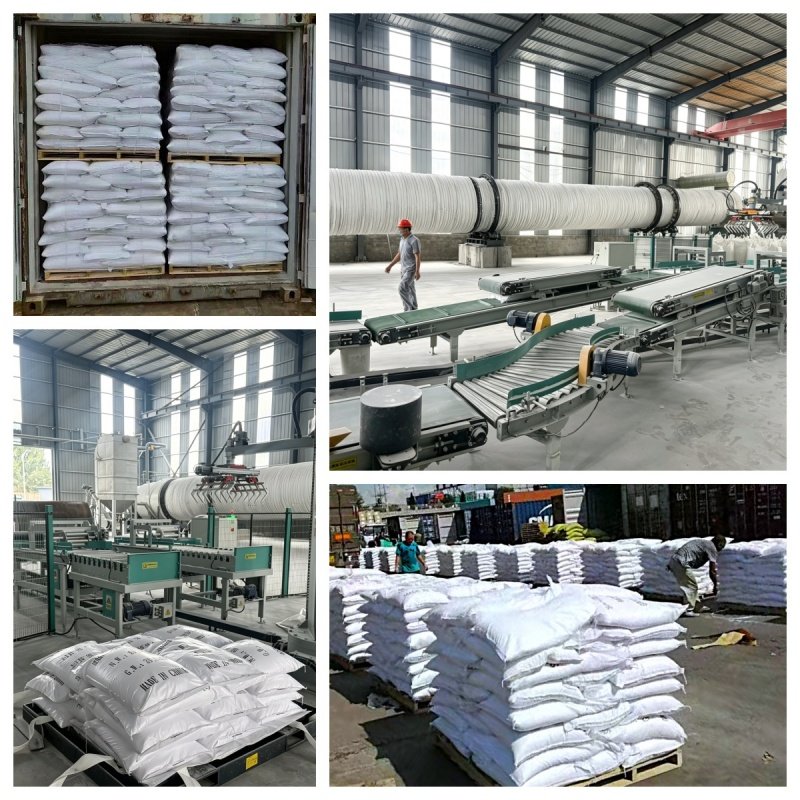
✓ Low hygroscopicity, anti-caking during long sea transit
✓ Uniform particle size and good fluidity
✓ Stable quality and batch consistency
✓ Wide application for industrial and feed grade
Product Description
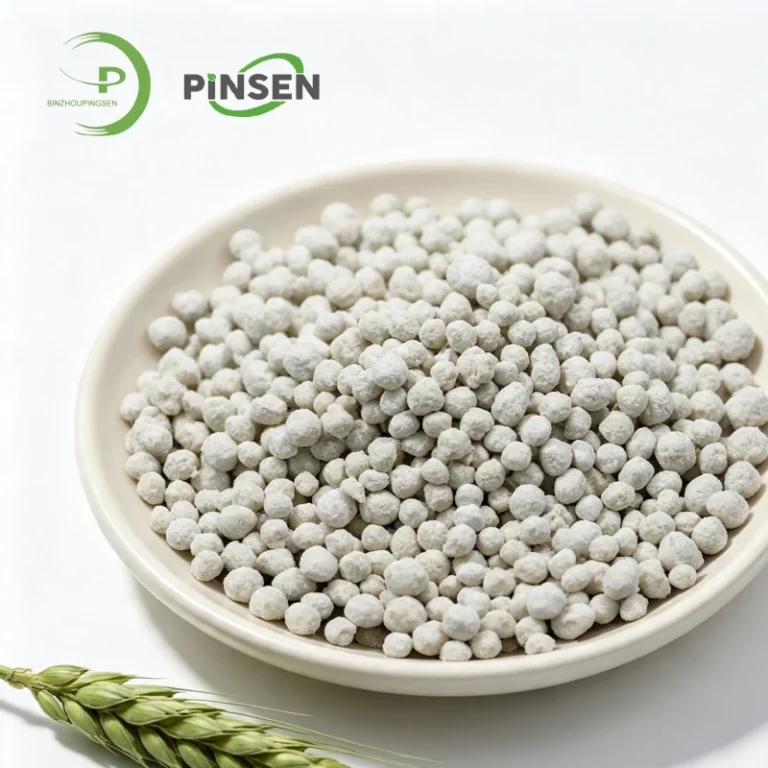
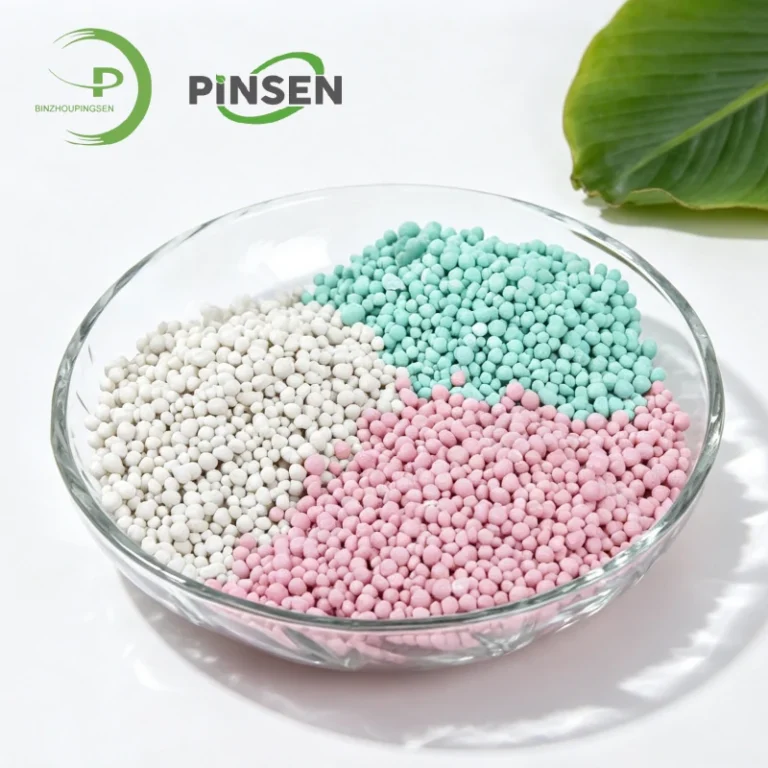
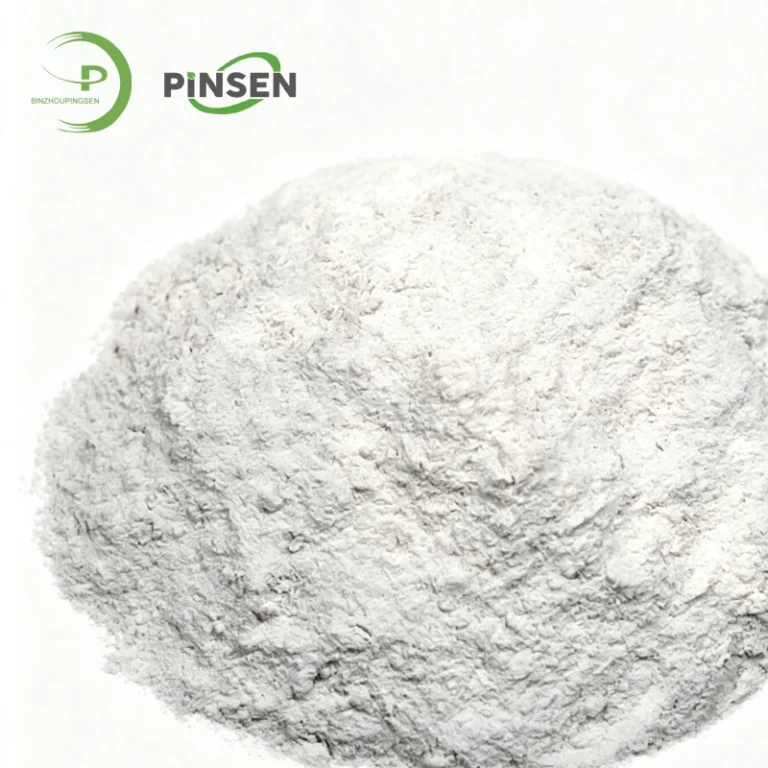
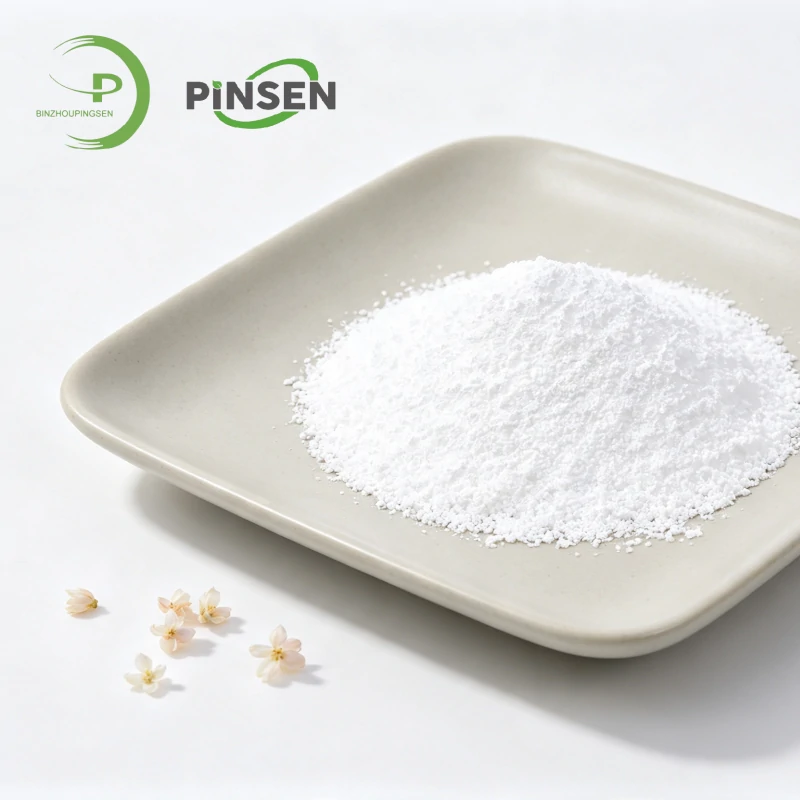
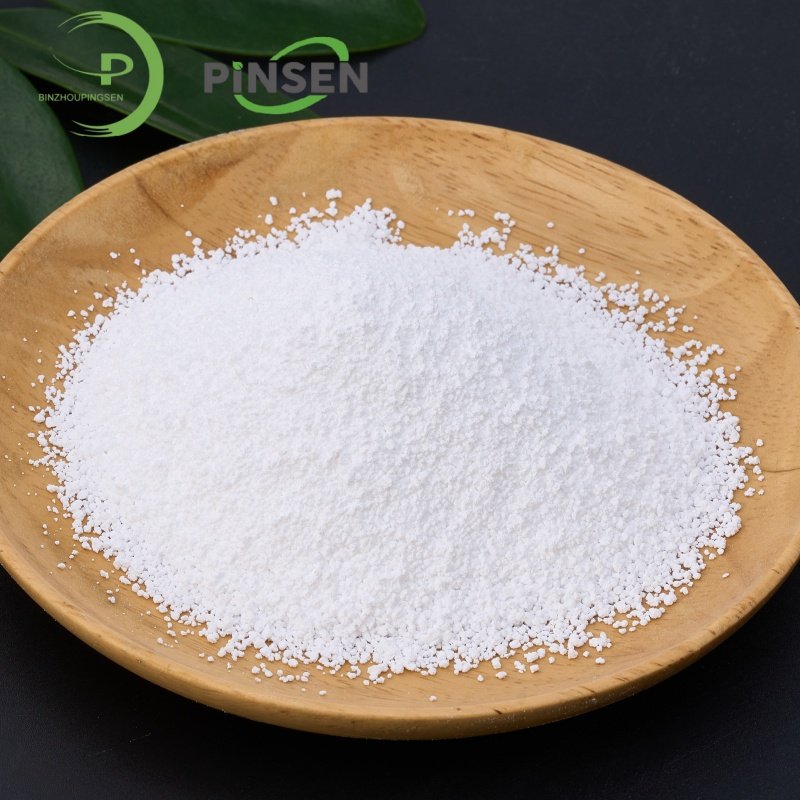
Magnesium Sulphate Monohydrate (MgSO₄·H₂O, CAS Number: 7487-88-9, HS Code: 28332100) is a premium white crystalline powder or granular product that is highly soluble in water and features stable chemical properties. Compared to heptahydrate magnesium sulfate, the monohydrate variant boasts a higher magnesium content and lower hygroscopicity, making it widely utilized across various industrial, feed, and agricultural fields. It serves as an essential inorganic salt for supplying magnesium and regulating sulfate ions.
Specification
| Item | Specification |
| Chemical Formula | MgSO₄·H₂O |
| CAS Number | 7487-88-9 |
| Appearance | White powder or granules |
| Assay (MgSO₄) | ≥ 86% |
| Magnesium Oxide (MgO) | ≥ 28.5% |
| Magnesium (Mg) | ≥ 17% |
| Sulfur (S) | ≥ 22% |
| pH Value (5% Solution) | 5.0 – 9.5 |
| Iron (Fe) | ≤ 0.003% |
| Chloride (Cl) | ≤ 0.1% |
| Heavy Metals (as Pb) | ≤ 0.002% |
| Arsenic (As) | ≤ 10 mg/kg |
Application
-
Feed Industry:
Utilized as a high-quality magnesium source additive for ruminants and poultry to prevent metabolic diseases and enhance animal nutritional balance. -
Chemical & Environmental Fields:
Serves as a catalyst carrier and chemical intermediate in synthetic reactions; widely employed in wastewater treatment to precipitate heavy metal ions and remove toxic pollutants. -
Pharmaceutical Sector:
Used as a reliable raw material for laxative formulations, magnesium supplements, and health-grade mineral preparations. -
Agricultural Field:
Acts as a concentrated dual-nutrient magnesium and sulfur fertilizer that promotes chlorophyll synthesis, optimizes root absorption, and increases overall crop yields.
Related Products